"Water, water, everywhere, nor any drop to drink."
- The Rime of the Ancient Mariner,
Samuel Coleridge
> Although of different sources, Tunamis and Rogue or Giant, waves are also known as Freak, Monster and Maverick waves and they all have the same unforeseeable devastating power. The main difference between Tunamis and rogue waves all is that rogue waves rarely hit land but if they do they invariably get classed as Tsunamis without further distinction. Rogue waves generally go unnoticed by the general public, except for the occasional extraordinary stories told by people who have experienced such phenomena and survived*...
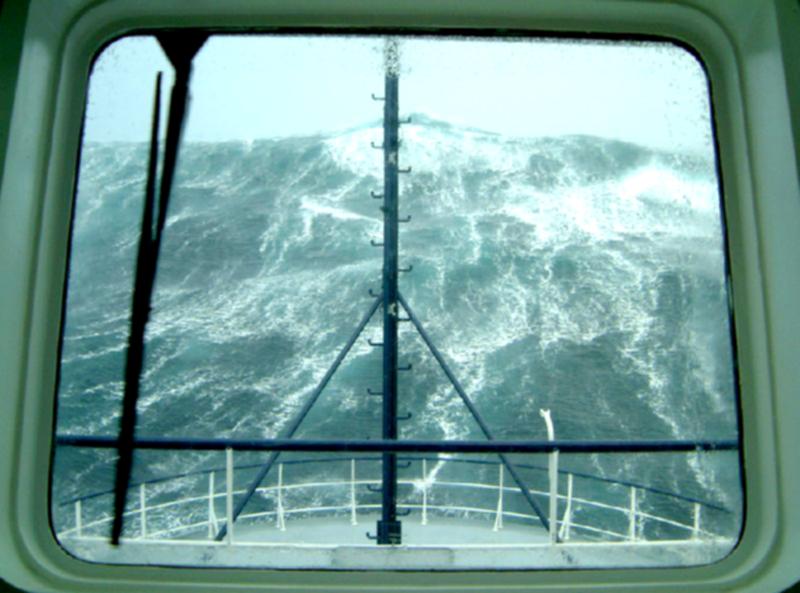
(* In February 1995, the cruiser liner Queen Elizabeth II met a 29-metre high rogue wave during a hurricane in the North Atlantic that Captain Ronald Warwick described as "a great wall of water… it looked as if we were going into the White Cliffs of Dover.")>Cargo ships, tankers, containers and passenger ships where disappearing for no apparent reason leaving little or no trace. Ships had been disappearing in mysterious ways ever since history has been recorded and until recently such disappearances where considered nautical myth of legendary origins.
Rogue waves have, however, recently become the subject of some very serious study. Preliminary results diagnosed the cause and merchant companies the world over were soon aware of the results of the studies... the news was alarming.
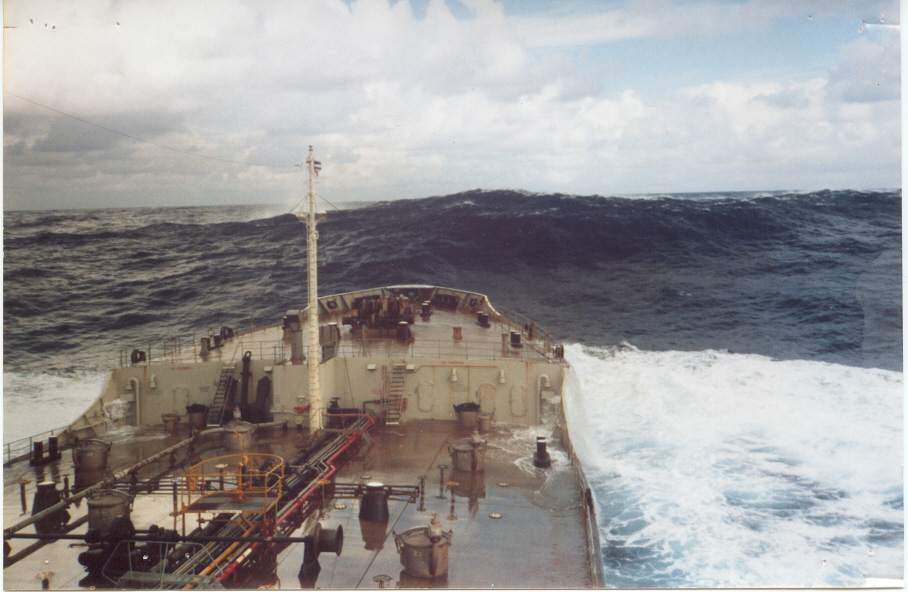
The cause for the alarm? Scientists had determined that ships, normally built to resist "normal" sized storm waves (± 15 metres), once considered of exceptional size and force, were now often facing freak waves as much twice or three times the height of the average storm wave.>The news was bad. Merchant companies, and even countries, were confronted with the fact that their ships, super tankers of more than 250 000 tonnes and container ships of 200 metres long, were not as invulnerable as they believed. The prospect of having to pay billions in rebuilding their merchant fleet was troubling.
>Some Facts
> Contrary to Tsunamis, that regularly make the news** and are attributed notably to earthquakes or underwater landslides, Rogue Waves are generally created when certain, very specific, marine and submarine conditions are met, ex:
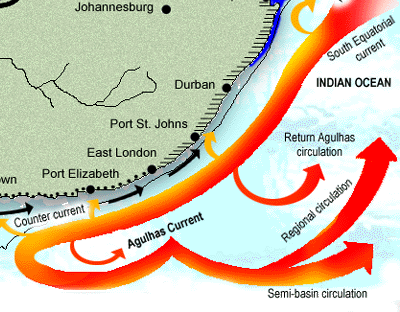
One famous example of a zone where Rogue waves are frequent is just off the the coast of South Africa where the "Agulhas Current" runs North East/South West down from the Indian Ocean. This current is a warm water current and when it is met with an ascending cold water current, originating from the Southern Atlantic/Antarctic ocean conditions are ideal for the creation of Monster Rogue waves.
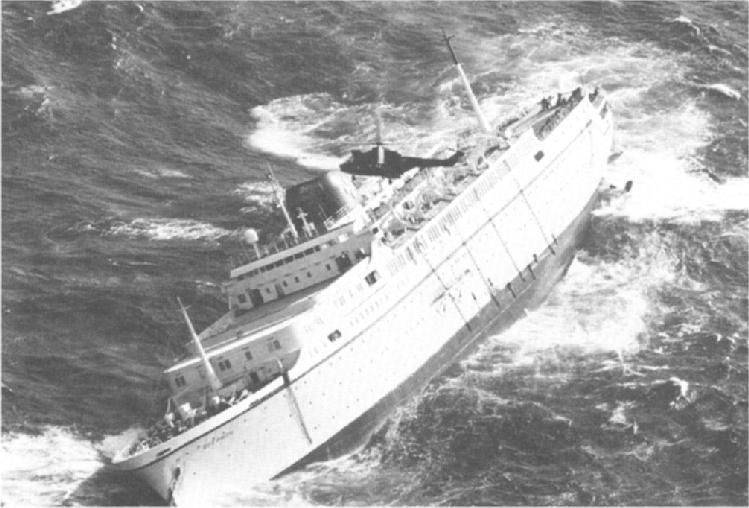
Monster Rogue Waves are, for the time being, so unforeseeable and so strong (100 tons/M²) that a 30 metre wave can sink a ±250,000 ton tanker in a flash, knocking holes straight through a ship's hull like a battering ram. Monster Rogue Waves can also seriously damage a ± 250 Metre high North Sea offshore rig,
Once considered freak events, the acceleration in communications and the access to satellite images from agencies, such as the ESA, is proving that Rogue waves are in fact quite common. Scientists are able to establish risk zones around the globe where such phenomena frequently happen. As a result, merchant companies are now able to reroute their shipping to contour these regions, save billions in insurance and avoid having to reconstruct their fleet.

© 2015 Nick Richards.